
War Games

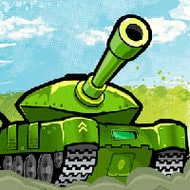
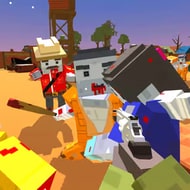
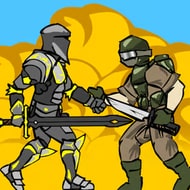
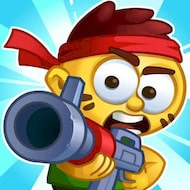
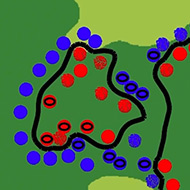
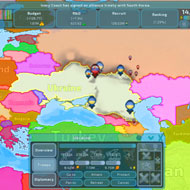
War Games provide a platform where strategy, planning, and decision-making come together in a structured challenge. These games demand careful thought, as players must analyze the battlefield, anticipate opponents’ actions, and manage resources efficiently. Each session presents new scenarios that test reasoning and adaptability, making each playthrough unique.
Understanding War Games
War Games simulate conflict scenarios that require analytical thinking and tactical execution. Unlike simple competitions of speed or reflexes, these games emphasize planning, foresight, and managing multiple elements simultaneously. Players must constantly evaluate their positions, assess risks, and make choices that influence both immediate and long-term outcomes. Attention to detail and the ability to predict adversaries’ actions are essential skills.
Varieties of War Games
The War Games category includes multiple subgenres, each offering different challenges and approaches:
- Turn-Based Strategy – Players alternate moves, allowing time to consider complex tactics and anticipate enemy reactions.
- Real-Time Strategy – Players act simultaneously, demanding quick thinking and the ability to manage multiple tasks at once.
- Simulation War Games – Realistic settings with detailed mechanics simulate actual battlefield conditions.
- Tactical Skirmishes – Shorter confrontations that focus on precise unit placement and efficient maneuvers.
- Grand Strategy – Large-scale scenarios requiring management of armies, economies, and territories over extended periods.
- Historical Scenarios – Games that replicate specific conflicts, emphasizing strategy appropriate to the time and context.
Core Components of Gameplay
Several elements define the structure of War Games. Understanding these components can enhance strategic performance:
- Unit Management – Controlling different types of units, each with unique strengths, vulnerabilities, and movement capabilities.
- Resource Allocation – Deciding how to distribute limited resources effectively to strengthen positions or support attacks.
- Territorial Control – Occupying key locations to gain strategic advantages and restrict opponent movements.
- Intelligence and Reconnaissance – Gathering information about enemy positions, which informs tactical decisions.
- Decision Timing – Choosing when to act or wait, balancing caution with initiative to maintain control of the game.
- Adaptation to Change – Adjusting strategies in response to evolving scenarios, unexpected events, or opponent maneuvers.
Strategic Approaches
Players develop multiple strategies depending on the situation and opponents’ behavior. These approaches include:
- Defensive Strategy – Focusing on fortification, reinforcement, and protecting key positions.
- Offensive Strategy – Prioritizing aggressive action to disrupt the opponent and seize control.
- Balanced Strategy – Alternating between defense and attack depending on battlefield conditions.
- Guerrilla Tactics – Using small, mobile units to perform hit-and-run attacks and disrupt opponent plans.
- Resource Denial – Preventing access to essential resources to weaken the opponent over time.
- Deception and Feints – Misleading opponents about intentions to create openings or exploit weaknesses.
Challenges Faced in War Games
Engaging in War Games presents several challenges that test analytical thinking and adaptability:
- Time Pressure – Making effective decisions under limited time or real-time constraints.
- Complex Maps – Navigating terrain that affects visibility, movement, and combat effectiveness.
- Multiple Opponents – Managing threats from several adversaries simultaneously.
- Unexpected Events – Adapting to random occurrences such as environmental changes or reinforcements.
- Limited Information – Making predictions and decisions with incomplete data, requiring logical inference.
- Resource Scarcity – Balancing limited assets to achieve strategic goals without overextending forces.
Skills Developed Through War Games
Players gain a range of transferable skills by participating in War Games:
- Critical Thinking – Assessing situations and anticipating outcomes of different decisions.
- Problem Solving – Finding creative solutions to unexpected obstacles or opponent strategies.
- Decision Making – Choosing actions under pressure and understanding consequences.
- Resource Management – Allocating limited resources efficiently to maximize strategic advantage.
- Strategic Planning – Coordinating moves and anticipating adversary responses over multiple stages of a game.
- Focus and Patience – Maintaining attention to detail and resisting impulsive actions.
Multiplayer Engagement
War Games often feature multiplayer scenarios that require anticipating human behavior rather than predictable algorithms. Key aspects include:
- Collaboration – Coordinating strategies with teammates for combined objectives.
- Competition – Outthinking human opponents whose strategies may be unconventional.
- Communication – Exchanging information to synchronize movements and tactics.
- Adaptability – Adjusting strategies dynamically in response to unpredictable opponent decisions.
- Leadership – Directing teams or units efficiently to maximize performance.
Planning for Victory
Success in War Games requires careful planning and foresight. Effective players:
- Analyze the Battlefield – Identify key positions and areas of strategic advantage.
- Set Short-Term Goals – Focus on achievable objectives while maintaining long-term plans.
- Predict Opponent Actions – Anticipate enemy strategies to counter effectively.
- Allocate Resources Wisely – Ensure units and supplies are positioned where most needed.
- Evaluate Outcomes – Learn from past moves to refine strategy and avoid repeated mistakes.
Why Players Engage in War Games
War Games attract players who value structured challenges, intellectual engagement, and the satisfaction of seeing well-planned strategies succeed. Each scenario requires thought, planning, and execution, offering unique challenges with every playthrough. Success rewards careful analysis and thoughtful decision-making, providing a sense of achievement and progress.
Whether maneuvering units across a battlefield, coordinating with teammates, or predicting opponents’ moves, War Games combine strategic thinking and tactical decision-making. Players develop skills in planning, analysis, and execution, making each game a unique and immersive experience that challenges the mind at every step.