


War of Dots

Car Eats Car: Winter Adventure
Bomber Royale

Color Switch

Stacktris

Thumb Fighter
War of Dots Unblocked









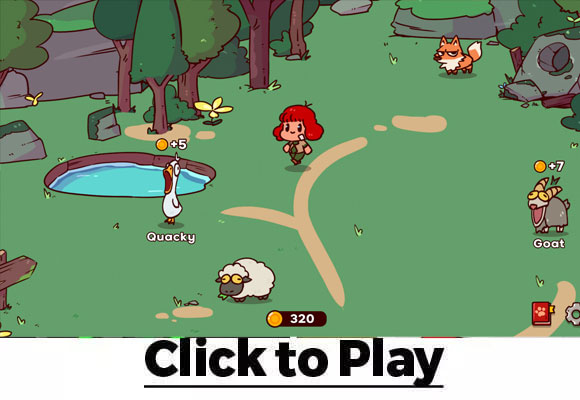





Doraemon Hotel doesn’t waste time explaining its premise before dropping you into a hotel setting with guests to manage and rooms to keep in order — and it stays refreshingly light on the surrounding menus that a lot of management-style browser games pile on top of the same basic idea.
There’s no deep economic layer or long unlock chain here — the game centers on the day-to-day rhythm of keeping a hotel running, responding to guests and their immediate needs as they come up rather than juggling a spreadsheet of long-term upgrades. What beginners get wrong is expecting the kind of depth that a full management sim would offer; Doraemon Hotel is built as a shorter, more contained experience; treating each session as a self-contained round rather than the opening act of a much longer progression suits the pacing far better.
Because sessions stay short, the game rewards paying close attention in the moment more than long-term planning — a guest need addressed a beat late is more costly here than in a slower-paced management game where mistakes have time to be corrected before they compound.
Doraemon Hotel’s tighter scope means it doesn’t overstay its welcome the way a bloated management sim sometimes does — a session ends before the core loop starts to feel repetitive, which is a deliberate trade-off rather than a limitation. Players looking for a quick, low-commitment session get exactly that, without wading through systems built for a much longer play session.
Not really — the game favors a shorter, contained format over a long unlock chain, which keeps individual sessions quick rather than building toward an extended management arc.
Stay reactive to guest needs as they appear rather than trying to plan several steps ahead — the short format rewards attentiveness in the moment more than long-term strategy. Treating each request as it comes, rather than trying to batch several together, tends to keep a session running smoothly from start to finish.
Doraemon Hotel doesn’t try to be more ambitious than its format allows, and that restraint is exactly why it works as a quick, self-contained round rather than a demand on a much longer session.
